Trade-off: 4G Router or Company Private Network
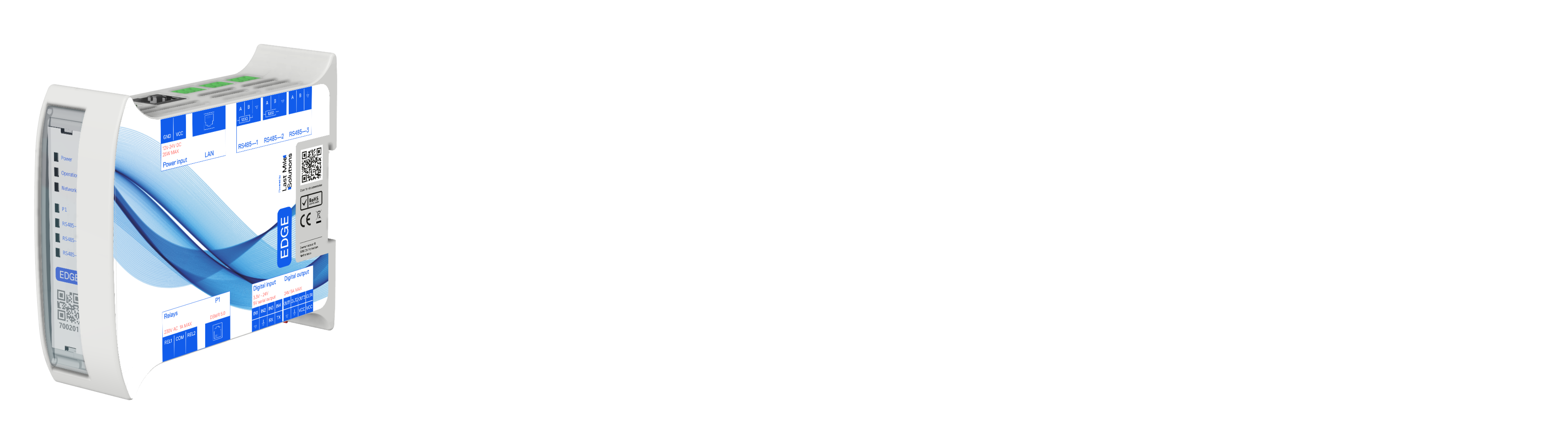
The Edge device is often sold as part of a plug-and-play set that includes a power supply, a 4G router, and a switch. Alternatively, it can be purchased separately. This guide helps you decide whether to use a 4G router or connect the Edge to a company private LAN.
This article compares the 4G router to company networks with strict security policies. If you have a dedicated VLAN used solely for Edge and chargers, or an unmanaged company network, some aspects of this guide may not apply to your setup.
Security
4G Router:
The 4G router and switch is meant to build a separate LAN network that is physically apart from the network infrastructure, therefore this is a secure option.
Private Network:
When installed without adequate security policy, in theory chargers and the Edge connected to the network could scan the network as they are installed behind the first security barrier. Therefore, a network administrator will probably propose a VLAN solution, with a VLAN solution a virtual network is created for Edge and the chargers to make sure that the charger VLAN cannot reach other devices in the network.
A VLAN is the most important method to guarantee that the network cannot be exploited from the inside. Besides VLAN, in some networks MDNS is not allowed and DHCP is not always enabled, this makes the Edge installation more complicated. There is a separate article for setting up Edge in a private network.
Availability
Although the Edge is designed to operate without an internet connection, many customers value high uptime.
4G Router:
Teltonika RUT200/RUT240 routers and compatible SIM cards generally provide good uptime and bandwidth. While mobile connections may occasionally restart or experience outages, these instances are rare. In areas with limited mobile signal strength, using an outdoor antenna can help. The plug-and-play Edge box includes a specialized 4G antenna, minimizing signal issues.
Private Network:
The reliability of a private network varies. However, wired connections are typically more stable and issues arise mainly from within the network itself. Such as disruptions caused by updates. Over time, network configurations may change as new chargers are added or personnel responsible for the network change, potentially leading to coordination and accountability challenges.
Installation Topology
A key consideration for Edge installations is the physical connectivity between Edge, chargers, energy meters, and other assets such as inverters.
4G Router:
The 4G router establishes a separate network, requiring direct network cables between all relevant assets. If an existing network already covers these assets, bridging the two networks can be challenging.
Private Network:
Company networks often simplify the connection of assets located in different areas, as the infrastructure may already be in place.
Installation Time
4G Router:
With the plug-and-play setup, the Edge is operational shortly after being powered on. Router settings are preconfigured, and the setup process is straightforward, ensuring successful installation on the same day.
Private Network:
Installing the Edge on a private network requires coordination with the network administrator. Pre-installation checklists are necessary, and the administrator's presence during setup is crucial. Installers must often deal with static IP address configurations instead of connecting to Edge using MDNS, which can result in delays.
Conclusion
If you are using Edge for the first time, we strongly recommend using a 4G router to simplify the installation process. If you need to use a company network, you can purchase the Edge without additional accessories. Refer to the installation section for detailed installation instructions.
Updated 7 months ago